
Rebrand / Retail / 2010
The Logo Reversal That Exposed Recognition Risk
Gap's 2010 redesign became a reference case because the failure was not visual taste alone. It was a break in recognition, memory, and control.
Archive
The full archive is organized by decision type, industry, year, and consequence. The first public file starts with failures, rebrands, comebacks, and launches.
Rebrand / Retail / 2010
Gap's 2010 redesign became a reference case because the failure was not visual taste alone. It was a break in recognition, memory, and control.
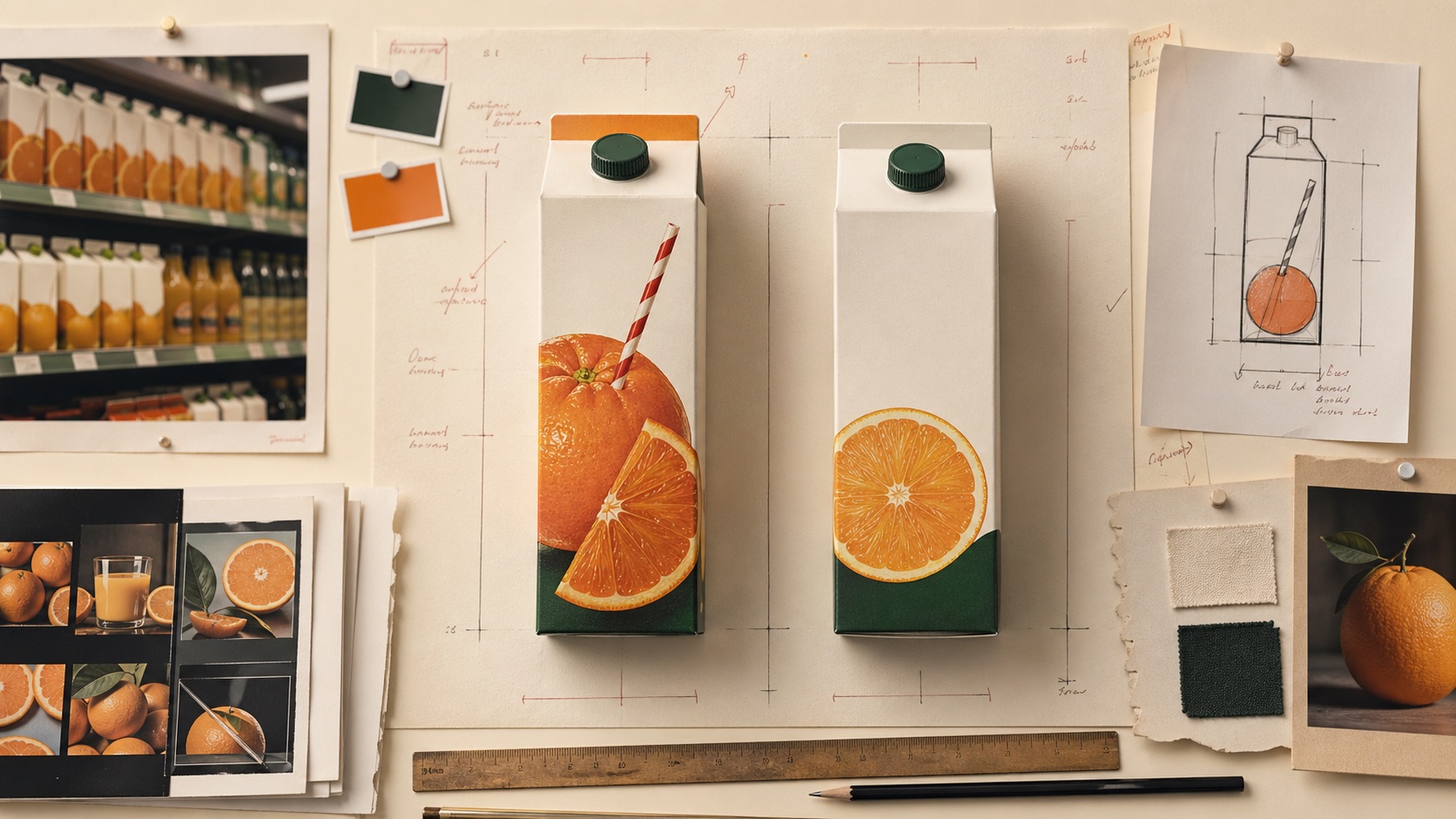
Failure / CPG / 2009
The redesign case sits at the center of recognition equity: when the asset is visual memory, improvement starts by protecting what shoppers already know.
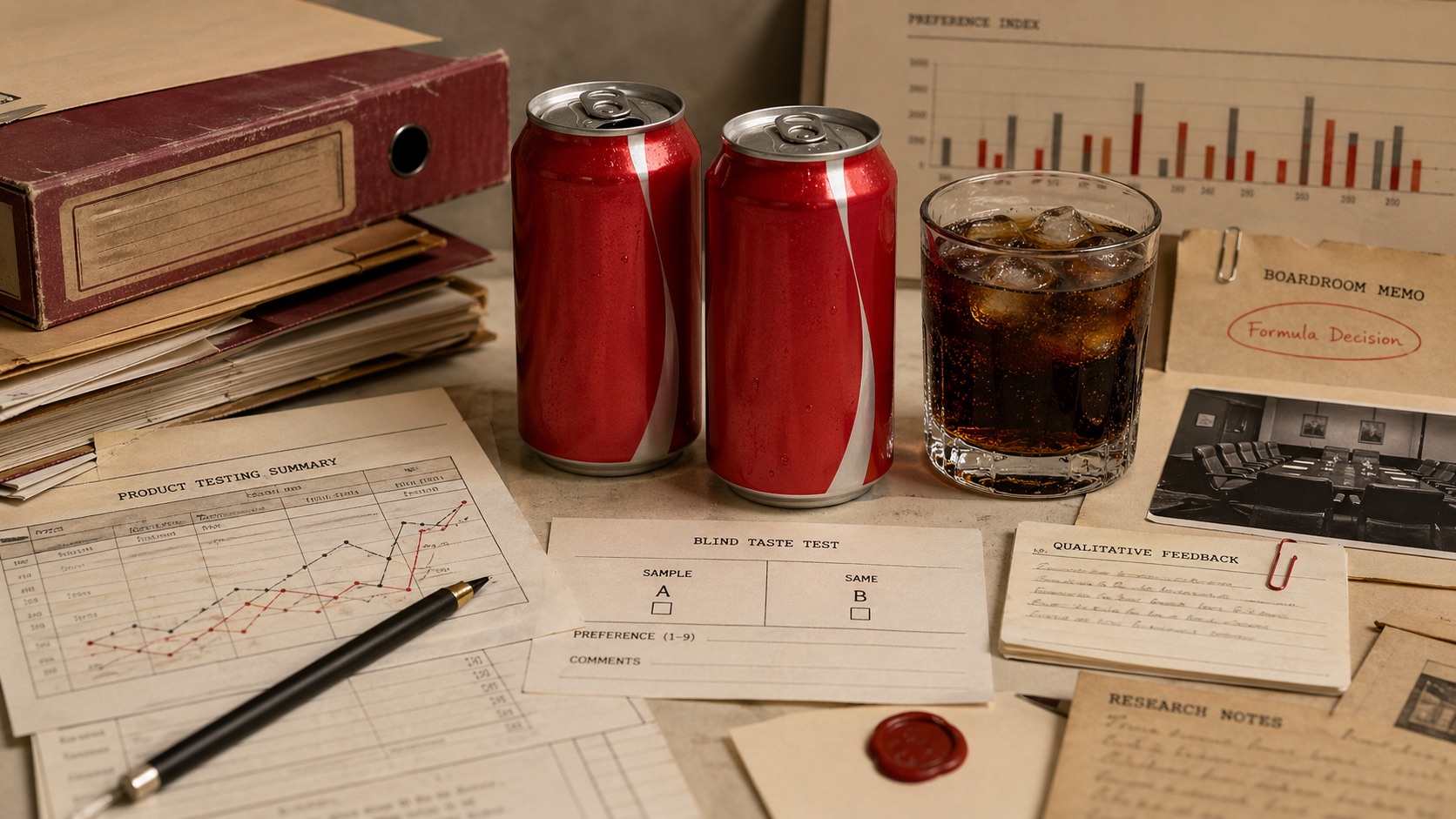
Failure / Beverage / 1985
The product test measured preference. The market response revealed ownership, ritual, and identity sitting underneath the formula decision.

Comeback / Luxury / 2000s
The comeback required more than a new campaign. It required distribution restraint, symbol control, and a clearer boundary around the check.
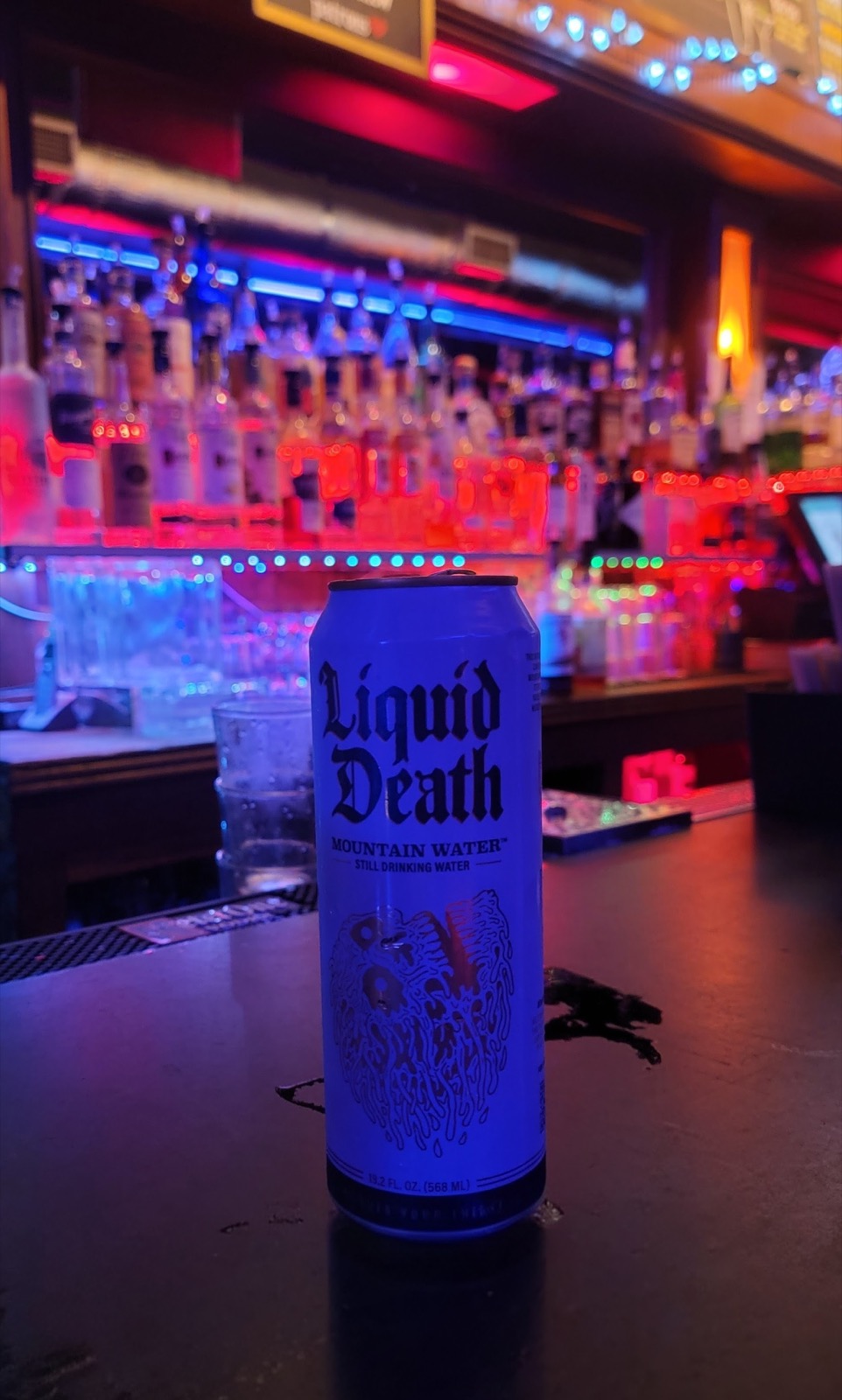
Launch / Beverage / 2019
The brand entered a quiet category by making contrast the asset, then kept the joke disciplined enough to survive scale.
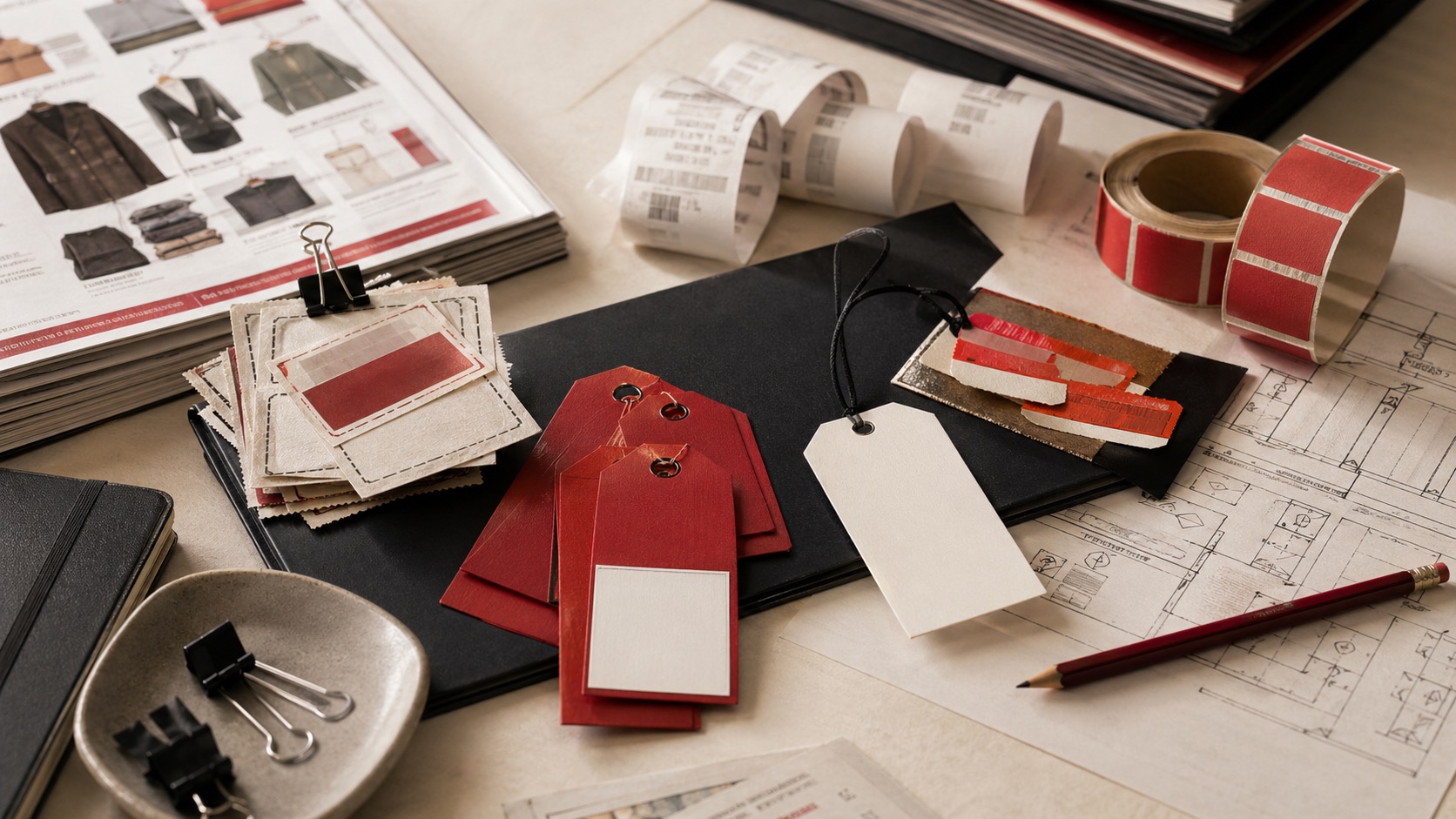
Failure / Retail / 2012
The fair-and-square pricing reset changed the customer contract faster than the business could rebuild trust around it.

Rebrand / Hospitality / 2014
The rebrand attempted to turn a marketplace into a shared symbol, making the logo carry community, trust, and category ambition.
Rebrand / Media / 2023
The rebrand removed one of the rare consumer internet marks that had become language, not only a logo.

Comeback / Entertainment / 2000s
The turnaround was less a reinvention than a return to the structure that made the system valuable.
Comeback / Food & Beverage / 2009
The recovery decision converted criticism into a public operating reset, making accountability part of the brand signal.